

- 1A psychiatrist is a medical doctor who can diagnose mental illness and prescribe medication.
- 2A clinical psychologist is trained to assess and treat mental health conditions with therapy and psychological testing.
- 3A counsellor or counselling psychologist offers talking therapy for emotional and life difficulties.
- 4A coach helps with goals, performance and direction. Coaching is not a treatment for mental illness.
- 5Many people benefit from more than one, working together.
Psychiatrist
A psychiatrist completes a medical degree (MBBS) and then specialises in psychiatry (MD, DNB or DPM). They assess and diagnose mental health conditions, prescribe and monitor medication, and manage more severe or complex illness. Some also offer therapy, though many focus on medical treatment.
See a psychiatrist if: symptoms are severe, you are having thoughts of harming yourself, you are not sleeping or eating for days, you have experienced hallucinations or extreme mood swings, or therapy alone has not been enough.
Clinical psychologist
A clinical psychologist holds a specialist qualification in clinical psychology. They carry out psychological assessments and provide therapy for conditions such as depression, anxiety, OCD and trauma. They do not prescribe medication.
Counsellor and counselling psychologist
Counsellors and counselling psychologists typically hold a master's degree in psychology or counselling. They provide talking therapy for stress, relationships, grief, life changes and many common emotional difficulties. The regulation of counsellors in India is still developing, so it is worth asking about training, experience and supervision.
"Therapist" is a broad word. It can describe any of the professionals above who offer therapy.
Coach
A coach helps people clarify goals, build skills and make changes in areas such as career, leadership, relationships and wellbeing. Good coaching is structured and practical. Coaching is not the right choice for treating a mental health condition, but it can work well alongside therapy, or once the most difficult period has passed.
How to choose
Ask yourself three questions:
- 1
How much is this affecting daily life?
If you can still function but feel stuck, stressed or unhappy, therapy or counselling is a good starting point. If you are struggling to get through the day, start with a doctor or psychiatrist as well.
- 2
Is there any risk to your safety?
If yes, seek urgent medical help first.
- 3
What do you want to change?
Feelings and patterns point towards therapy. Goals and performance point towards coaching.
Myths, corrected
"Seeing a psychiatrist means I am seriously ill."
Not at all. Psychiatrists help with common conditions too, and early help often means simpler treatment.
"Medication changes who you are."
Prescribed correctly, medication aims to reduce symptoms so you can feel more like yourself.
"If I start with the wrong person, I have wasted my time."
Good professionals refer you on when someone else can help more.
How we work at The Good Place
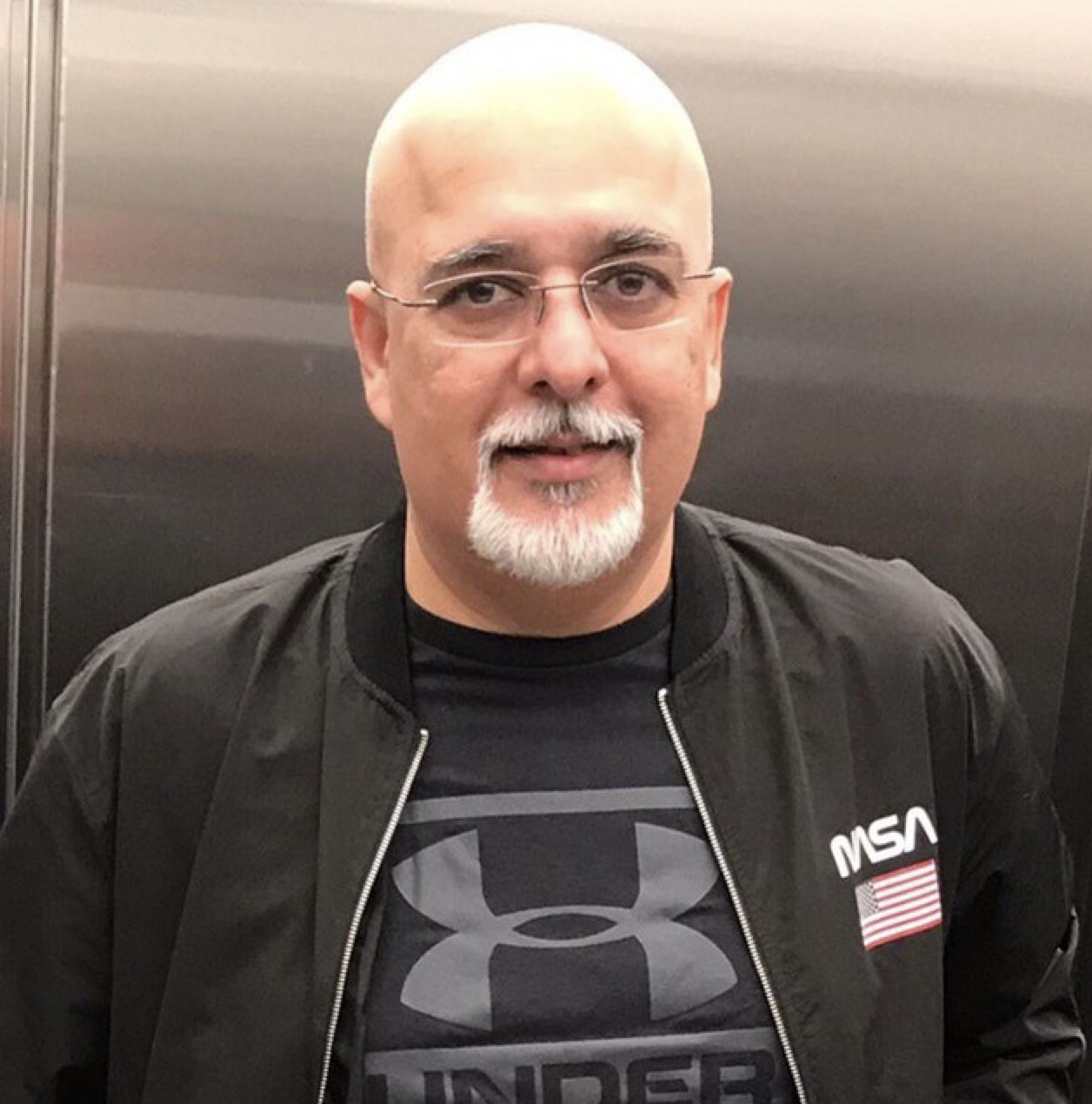
Our team combines different kinds of expertise. Dr. Neha Achrekar is a medical doctor (MBBS) with a postgraduate degree in psychology, and provides therapy for individuals, couples and families. Hemant Rehani is a coach, working with executives, founders, individuals and couples on life direction, leadership and relationships.
When medication or psychiatric care would help, we work alongside your psychiatrist or refer you to one.
What to take away
The right first step is the one you take. If you are unsure, start with a conversation. A good professional will help you work out what you need, even if it is not them.
If you are thinking about harming yourself or feel unsafe, please do not wait for an appointment. In India, call Tele-MANAS on 14416 (free, 24 hours), call 112, or go to your nearest hospital. If you are outside India, call your local emergency number.
Sources behind this guide (2)
- Indian Psychiatric Society. indianpsychiatricsociety.org
- Tele-MANAS, Ministry of Health and Family Welfare. telemanas.mohfw.gov.in
This article is for education and self reflection. It is not a diagnosis and does not replace professional care.